The Future of Sustainable Fabrics: Beyond Cotton
The textile industry is at a pivotal crossroads. As global demand for ethical production surges, we look toward the innovations redefining the very threads of our existence.
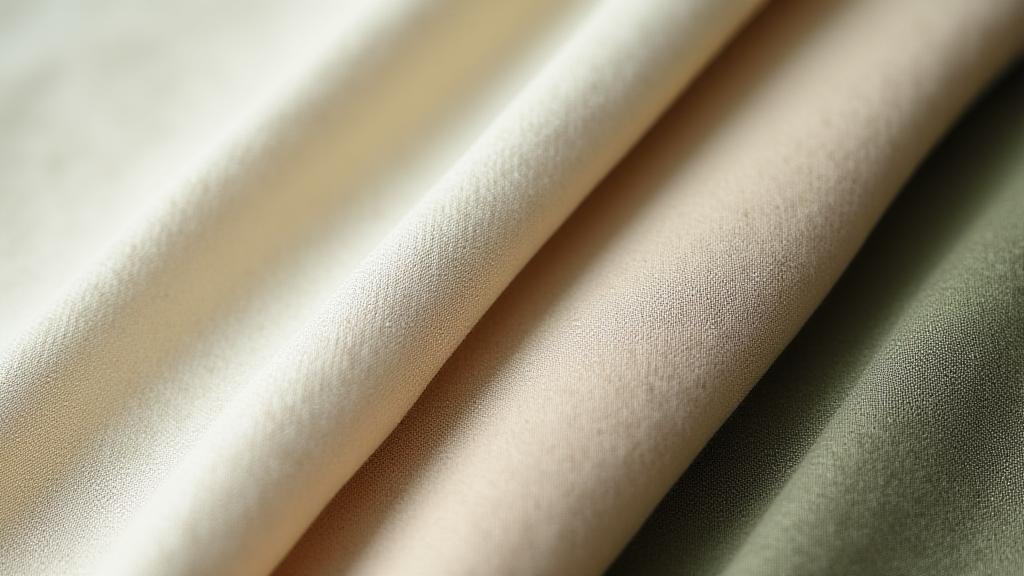
The textile industry is at a pivotal crossroads. As global demand for ethical production surges, we look toward the innovations redefining the very threads of our existence.
For decades, traditional textile manufacturing—specifically conventional cotton and synthetic fibers—has exacted a heavy toll on our planet. From massive water consumption to the leaching of microplastics, the hidden cost of our wardrobes is no longer sustainable. At Threadspire Consulting, we believe innovation isn't just about new aesthetics; it's about deep-rooted ecological responsibility.
One of the most exciting breakthroughs in material science is the cultivation of mycelium. This root-like structure of fungi can be grown in labs to replicate the durability and feel of animal leather without the ethical or environmental drawbacks. It grows in a matter of weeks, is fully biodegradable, and requires minimal water.
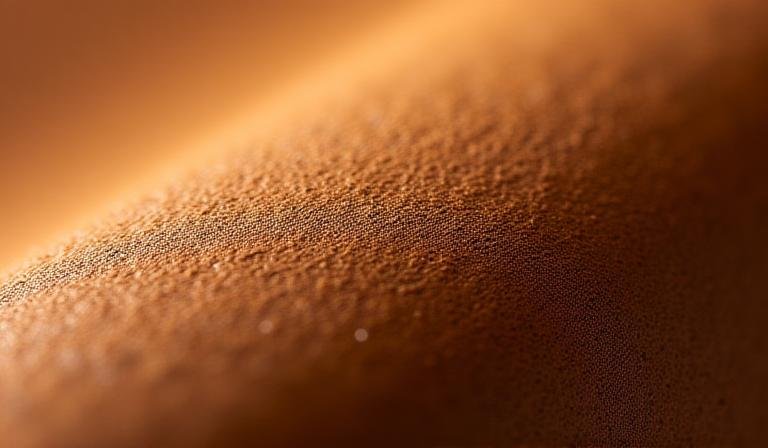
While plastic waste is a global crisis, the transition to closed-loop systems allows us to transform post-consumer waste into high-performance textiles. Modern recycling techniques are now capable of maintaining fiber integrity, ensuring that a garment can be recycled indefinitely without loss of quality.
Sustainability is moving from "doing less harm" to "doing more good." Regenerative farming practices for natural fibers like hemp and organic cotton actually restore soil health and sequester carbon. This holistic approach ensures that textile farming becomes a solution to climate change rather than a contributor.

Sourcing the right materials is the cornerstone of a sustainable brand. Threadspire Consulting provides the expert guidance required to navigate these complex supply chains, ensuring your designs are as ethical as they are beautiful.
Book a Strategy Workshop